Stimulating Cat Herbs – Catnip
Cat Herbs – Natural Stimulation for Your Cat
There are things that seem to magically for cats — and cat herbs are definitely among them. Maybe you’ve seen it yourself: the moment your cat encounters the scent, its behavior changes instantly. It rolls around with pleasure, rubs its head, becomes playful, or suddenly appears deeply relaxed. These small but intense moments are exactly what make cat herbs so special.
Unfortunately, many toys contain only very small amounts or low-quality herbs, so the effect is barely noticeable. Powdered catnip also loses its magic quickly—the valuable aromatic compounds often dissipate early. From my own experience, I can tell you: the more natural the form, the better. Whole leaves or roots contain significantly more essential oils. And when your cat kneads or chews them, new scents are continuously released—an effect that powder simply cannot provide.
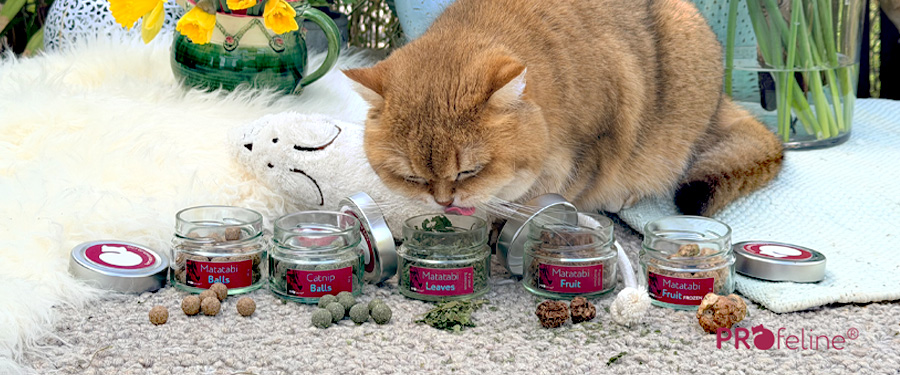
What I find particularly fascinating is that cats are true individuals. Not every cat loves every herb. Some go crazy for catnip, while others react much more strongly to valerian or matatabi. It’s worth experimenting a little and observing your cat. That’s what makes it so enjoyable—you get to know their little preferences better and better. 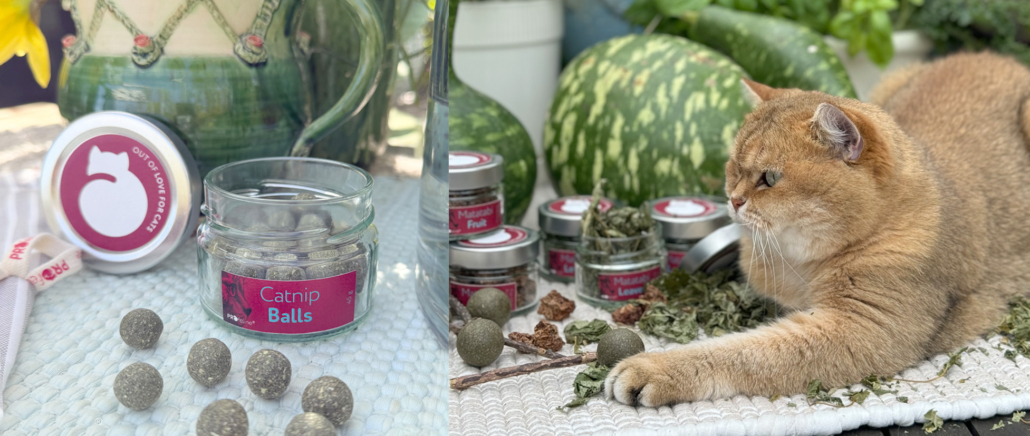
Age also plays a role. Kittens often don’t react to catnip at all. So if your little kitten doesn’t seem interested, just give it time and try again later. The enthusiasm often comes naturally.
One thing is almost always the same: cat herbs bring variety into everyday life, stimulate the urge to play, and create little moments of happiness. And that’s exactly what we want for our cats.
What Is Catnip?
Catnip—also known as catmint—is a fascinating plant that has been known for centuries. It belongs to the mint family and grows in many parts of the world. To us, it smells pleasantly fresh and slightly lemony—but for cats, this scent is a whole experience.
The key compound is called nepetalactone. It affects a cat’s nervous system and, depending on the individual, can trigger playful energy or deep relaxation. It’s almost as if every cat discovers its own little world within it.
What Does Catnip Look Like?
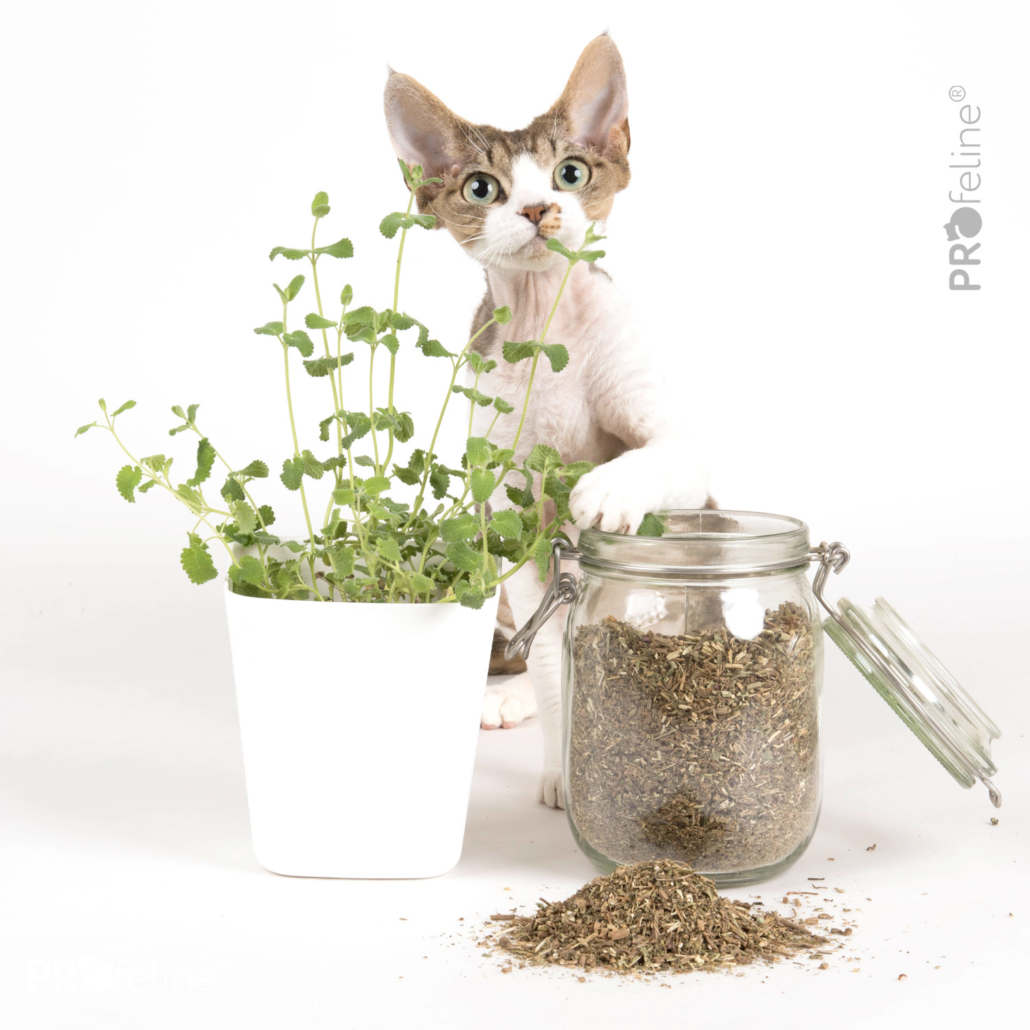
If you ever see catnip in real life, you’ll recognize it easily: delicate white to violet-blue flowers, slightly serrated, soft leaves, and an overall wild, natural appearance. This very authenticity is what makes it so valuable.
What Effect Does Catnip Have on Cats?
The reactions are often delightful to watch:
- Your cat curiously circles the plant
- It rubs against it or rolls around happily
- It starts licking or nibbling it
- Or suddenly becomes playful like a little kitten
This phase usually lasts only a few minutes, rarely more than half an hour. After that, things calm down again—until the next time.
Catnip Toys Are Very Popular
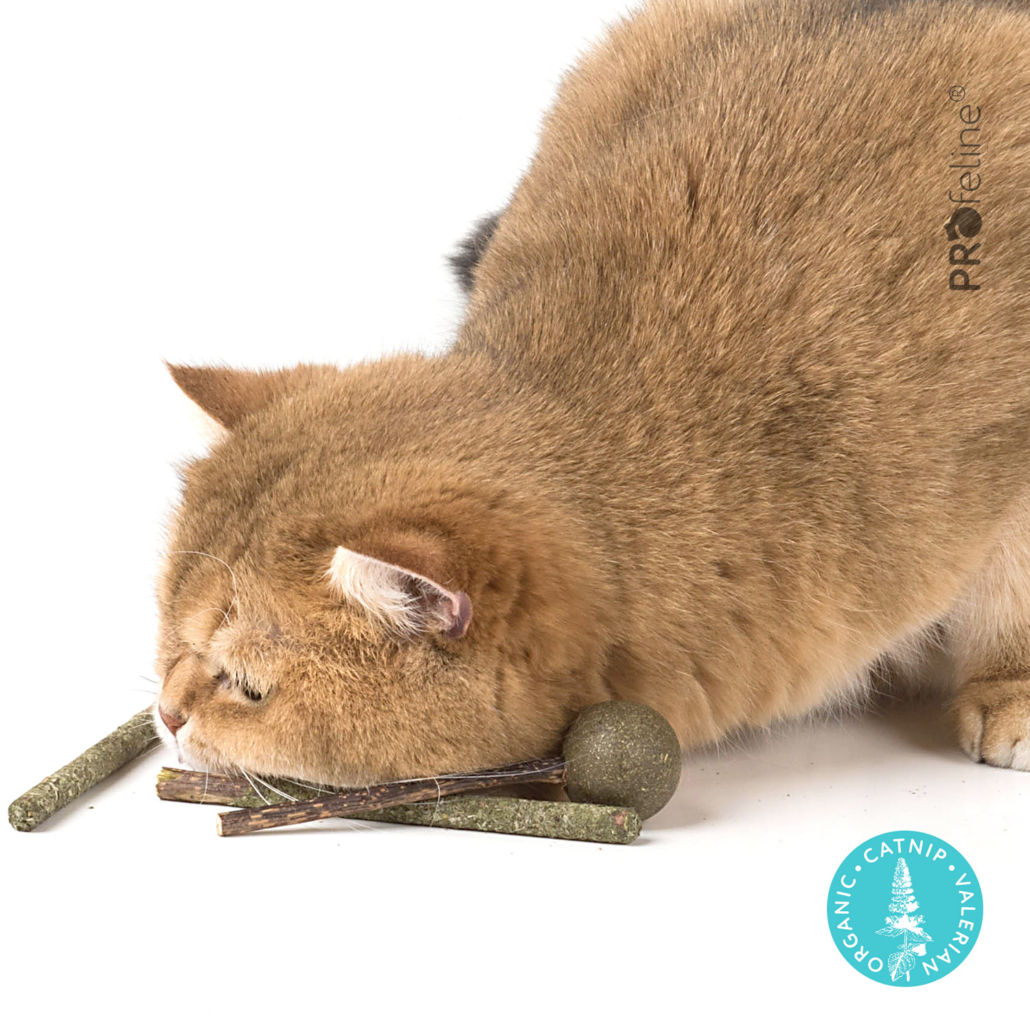 Matatabi Catnip Lolly – natural cat toy with catnip
Are There Alternatives to Catnip?
Yes—and that makes things even more exciting.
- Valerian often has a calming effect and can help particularly restless cats
- Matatabi (Silvervine) is even more intense for many cats—especially those that barely react to catnip
If you want to do something good for your cat, it’s worth trying different herbs. You’ll quickly notice what they love.
In the end, it’s not just about the plant itself. It’s about those small, special moments—when your cat is fully in the present, feels comfortable, and simply enjoys. That’s exactly what cat herbs are for.
Learn more about these alternatives in our next blog post.
Buy Cat Herbs for Cats